

The Peruvian Amazon is one of the best places in South America to experience tropical rainforest, wildlife, winding rivers, and remote jungle lodges. In the past, travelers often chose the Amazon as an addition to their Machu Picchu trip, however in recent years the Amazon rainforest has become a main focus for visitors. The problem with planning an Amazon rainforest tour in Peru, is often deciding where in the jungle you want to go.
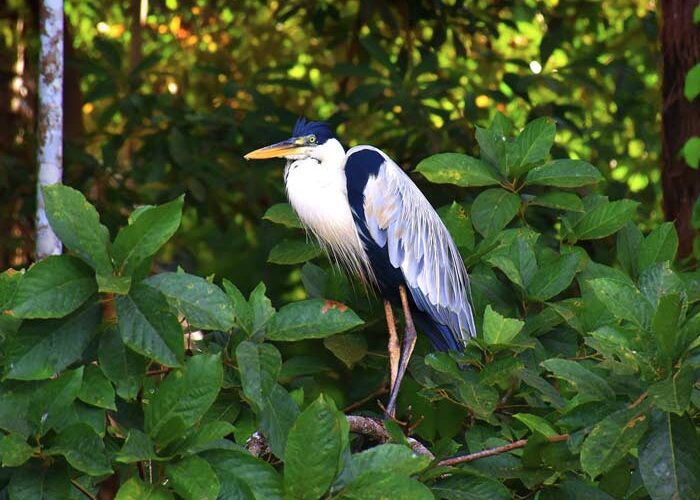
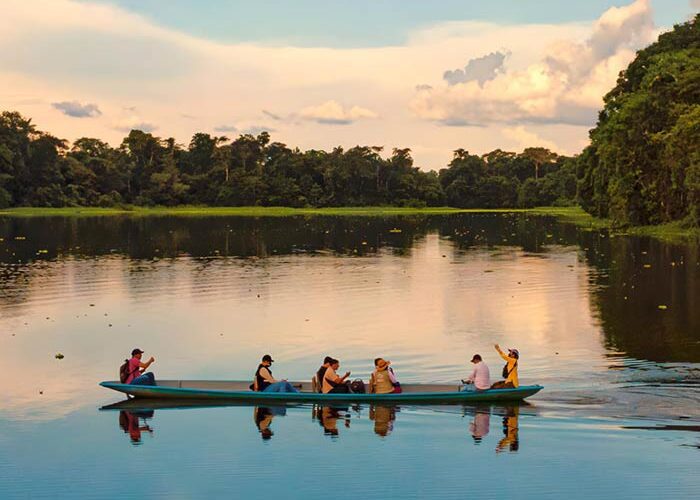
Most Peru Amazon tours are based around three main destinations: Puerto Maldonado and Tambopata in southeastern Peru, Iquitos and the northern Amazon, or Manu National Park near Cusco. Each offers a different experience. Choosing a destination can be harder than it originally seems with 61% of Peru being “Amazonian”. I usually recommend Puerto Maldonado because it is generally the easiest Amazon destination to combine with Cusco and Machu Picchu. Iquitos offers a more river-focused experience and access to the vast waterways of the northern Amazon. Manu, meanwhile, is more remote and particularly attractive to travelers interested in wildlife and longer jungle expeditions.
Most visitors set aside three to five days in the Amazon, although longer stays are possible for travelers who want to venture farther into the rainforest. I usually find that three to five days is the sweet spot for visiting the Amazon though. This gives you enough time to travel to the destination, experience the location and then get back to the rest of the trip. In this guide, we explain the main Amazon destinations in Peru, what a typical jungle tour includes, how many days you should stay, when to visit, and how to combine the Amazon rainforest with Machu Picchu and the rest of your Peru itinerary.
For many first-time visitors to Peru, Puerto Maldonado is the most practical gateway to the Amazon rainforest as it pairs perfectly with Cusco and Machu Picchu. I often recommend doing the Amazon portion first and then heading to Cusco. It works great with flight schedules and travel times.
The city is located in Peru’s Madre de Dios region and provides access to jungle lodges along the Madre de Dios and Tambopata rivers, as well as the Tambopata National Reserve.
Tambopata is particularly well known for its biodiversity. Peru’s protected areas authority, SERNANP, records hundreds of bird species as well as monkeys, giant river otters, macaws, capybaras, tapirs, reptiles and other wildlife within the reserve.
One of the major advantages of Puerto Maldonado is logistics. It is relatively easy to include before or after visiting Cusco, the Sacred Valley and Machu Picchu, making it particularly attractive for travelers who want to see both the Andes and the Amazon during the same vacation. Depending on which lodge you stay at the travel time can vary from 1-3 hours by boat ride.
Typical activities around Puerto Maldonado include jungle walks, canoe trips, canopy towers, nighttime wildlife excursions, visits to oxbow lakes and, depending on the lodge and itinerary, excursions to macaw clay licks.
Best for: First-time Peru visitors, short Amazon extensions, wildlife, jungle lodges and travelers combining the Amazon with Machu Picchu
The city of Iquitos provides a very different Amazon experience than Puerto Maldonado.
Located in northeastern Peru, Iquitos is surrounded by waterways and rainforest and is one of the main gateways to the northern Peruvian Amazon. One interesting fact about Iquitos is that it is the biggest city in the world that is not accessible by road. You can only reach this Amazon city by air or by boat.
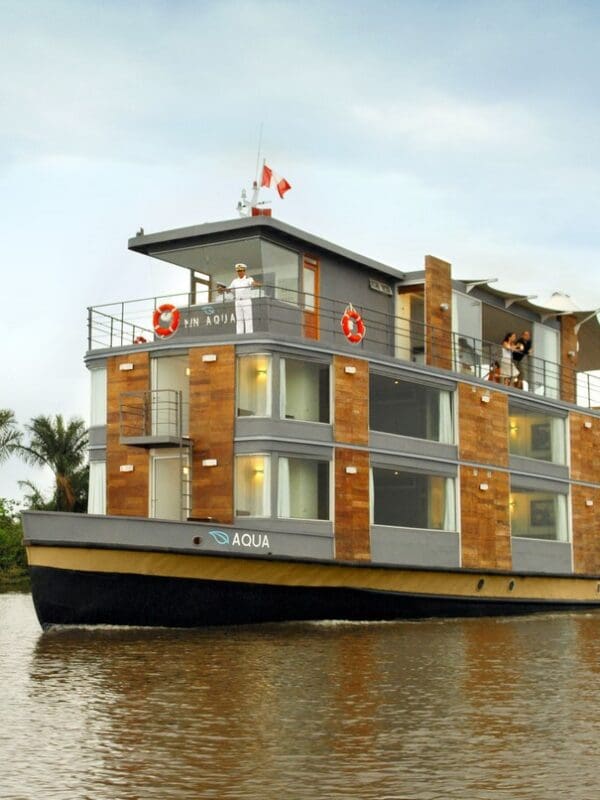
From here, travelers can stay in rainforest lodges or my personal favorite, explore the region aboard an Amazon river cruise.
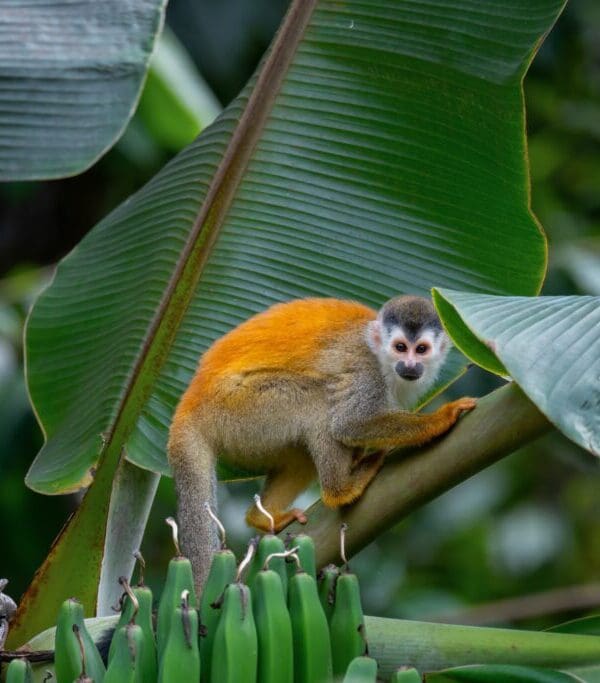
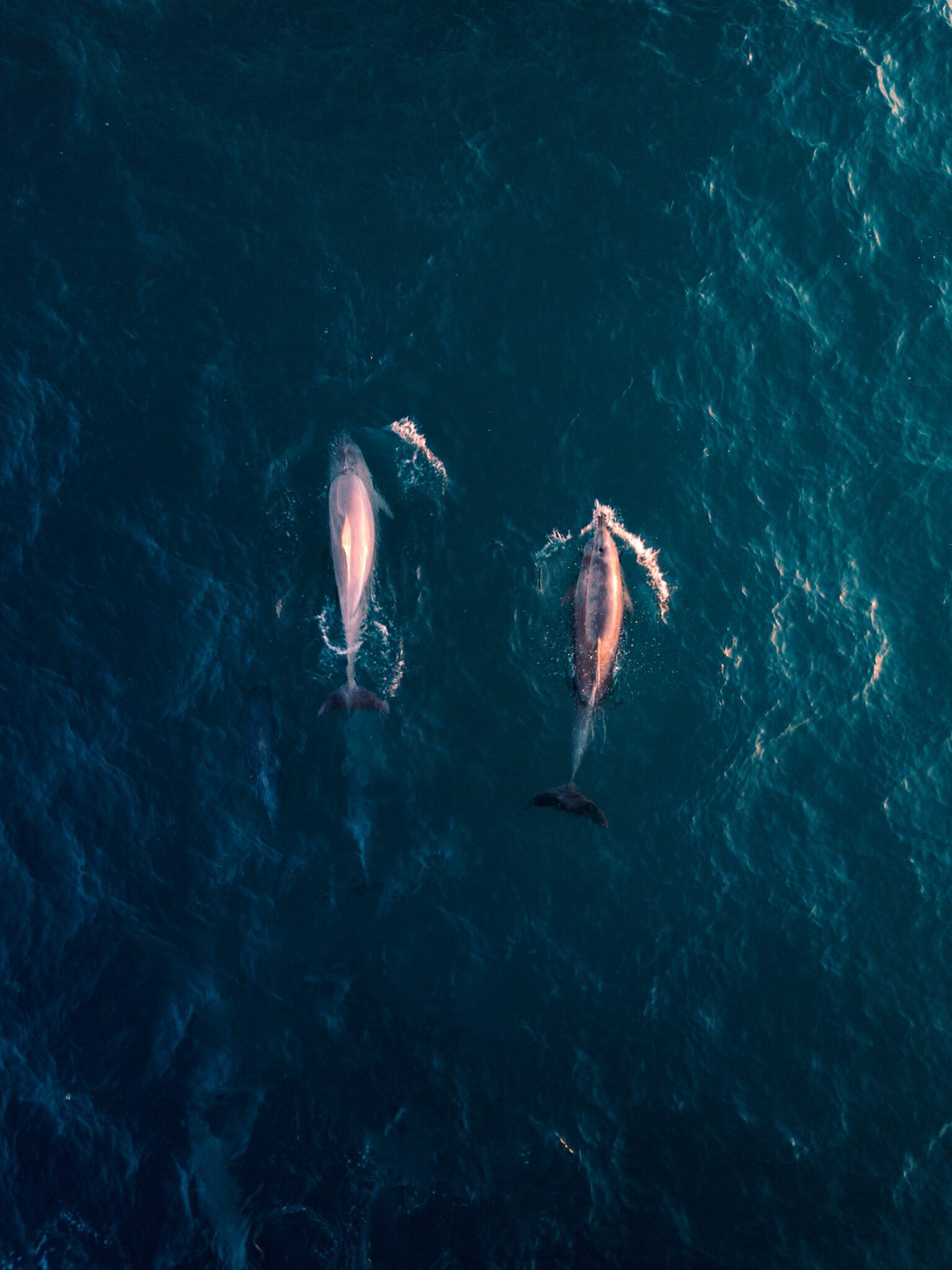
One of the most important protected areas in the region is Pacaya-Samiria National Reserve, an enormous landscape of rivers, lagoons and seasonally flooded forest. When you visit this part of the amazon you’ll have a chance to see monkeys, caimans, aquatic birds and even the ever elusive Pink Amazon river dolphins.
The experience around Iquitos tends to revolve more heavily around rivers than a typical Tambopata itinerary. Canoe excursions, boat rides, flooded forest and wildlife observation from the water often form an important part of the experience. Travelers will also have a chance to explore Iquitos if they want. This includes the mercado de Belen where you’ll find just about anything that includes real “Amazon products” and it’s also where the locals shop.
Travelers also have the option of taking multi-day river cruises, which can provide a more comfortable way to explore deeper into the Amazon. In my view, navigating this section of the jungle on a river cruise remains the ideal approach, as it allows you to comfortably and safely travel across vast stretches of the region. You’d be surprised on how much wildlife you can see from the river’s point of view.
Best for: Amazon River experiences, river cruises, pink river dolphins and travelers who want the rainforest to be one of the main focuses of their trip.
The Manu National Park is one of Peru’s great wilderness areas and an excellent choice for travelers whose main priority is biodiversity and wildlife. It’s not exactly an easy place to reach but if you are the “off the beaten path” adventure type with a week to spend in the Amazon, this place might be ideal for you.
The park stretches from high Andean environments down into tropical rainforest, creating an extraordinary range of ecosystems.
Manu is much more remote than Puerto Maldonado and generally requires more travel time. Tours commonly begin from Cusco and travel overland toward the cloud forest and Amazon basin before continuing deeper into the region.
SERNANP (Servicio Nacional de Áreas Naturales Protegidas por el Estado also known as Peru’s national parks service, a government entity) describes Manu as one of Peru’s most important nature destinations, with opportunities to see giant river otters, macaws, birds, mammals and other Amazon wildlife. Tourist access inside the national park itself is controlled and requires authorized operators.
Because of the distances involved, Manu tends to suit travelers who are willing to dedicate several days specifically to the Amazon rather than treating it as a short extension. In other words, to visit Manu it would really need to be your main focus when coming to Peru. It’s not easy to dedicate a week to one single destination.
Best for: Wildlife enthusiasts, birdwatchers, photographers and travelers looking for a more remote Amazon experience.
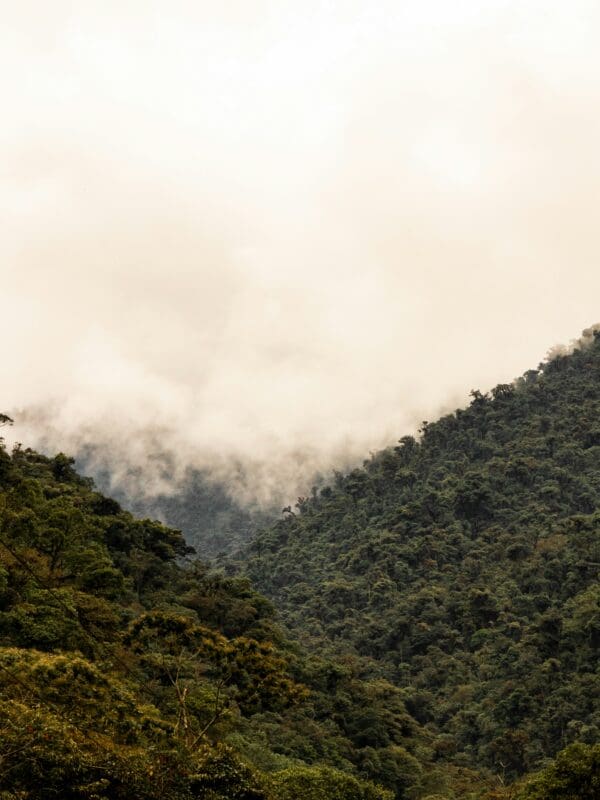
While most travelers will find Puerto Maldonado the best bet that fits to their schedule, there is no single Amazon destination that is best for everyone. The easiest way to choose is to consider the type of experience you want and how much time you have.
If you are looking for Amazon rainforest Peru tours and have time to put together an itinerary of 10 to 14 days, Puerto Maldonado is often the easiest Amazon destination to incorporate without making the itinerary overly complicated. It is very deep in the Amazon but the proximity to places like Cusco make it ideal for travelers looking to spend 3-5 days exploring the rainforest.
Travelers who specifically dream of navigating the Amazon River may prefer Iquitos.
Those who consider wildlife and wilderness the main purpose of their journey may find Manu more appealing.
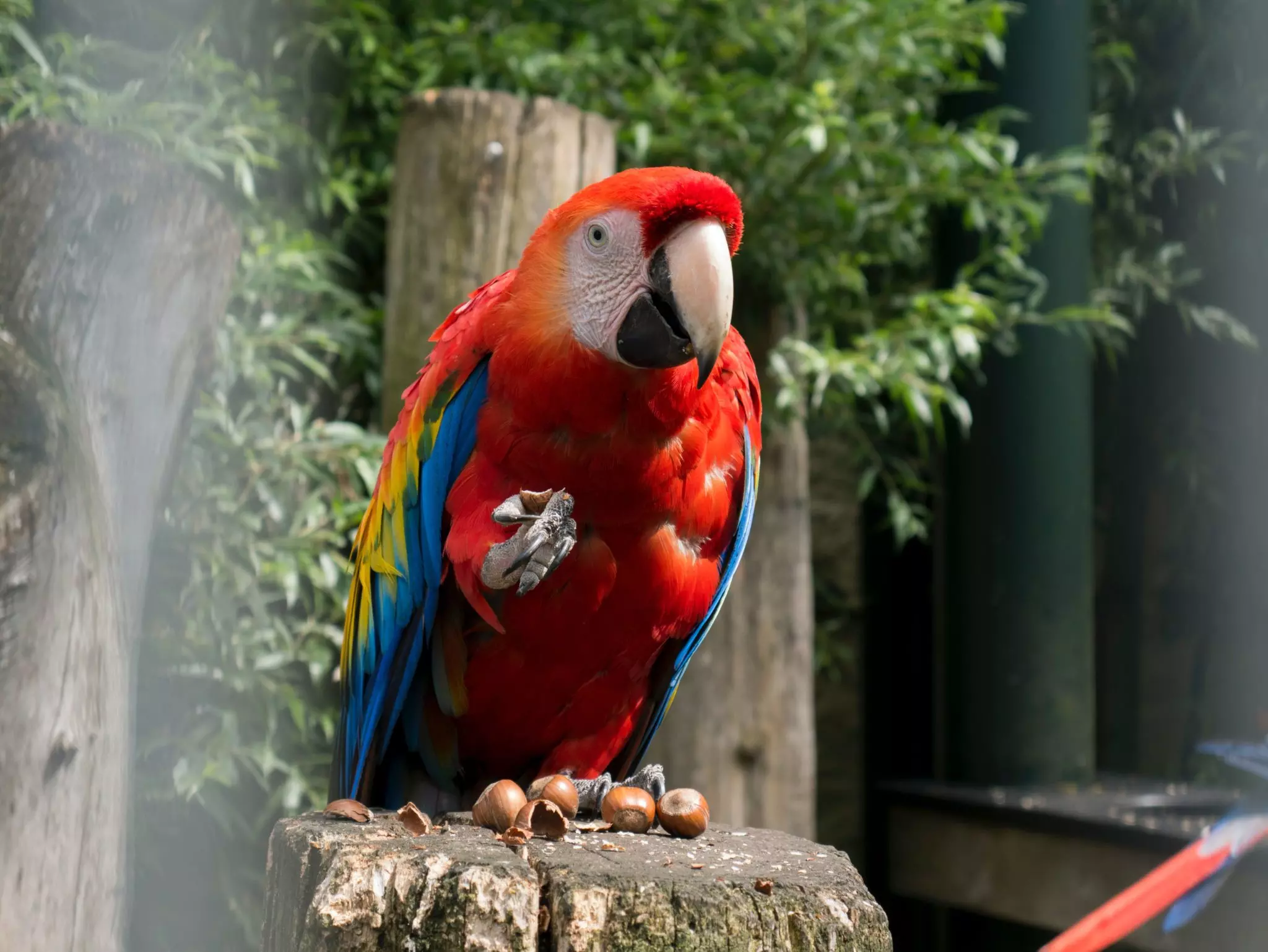
| Destination | Best For | Typical Stay | Style of Experience | Easy to Combine With Machu Picchu? |
|---|---|---|---|---|
| Puerto Maldonado | First-time visitors | 3–5 days | Jungle lodge, wildlife and river excursions | Yes |
| Iquitos | Amazon River experiences | 4–7 days | River cruises, lodges and flooded forest | Possible, but requires additional flights |
| Manu | Serious wildlife travel | 4–8+ days | Remote expedition-style rainforest travel | Yes, but requires more time |
Amazon tours vary considerably depending on the lodge, destination, and level of comfort, but most packages combine transportation, accommodation, meals and guided rainforest activities. While some can include only accommodations, there are others that will include all of the jungle activities you can think of. From canopy tree-top guided tours to going on night walks to see animals, to bike rides and even piranha fishing. Most of the Amazon destinations will include all meals as well. If you are in the Tambopata reserve, it is not like you can just walk outside and find restaurants, so all of your meals would be included.
A typical lodge-based Amazon package may include:
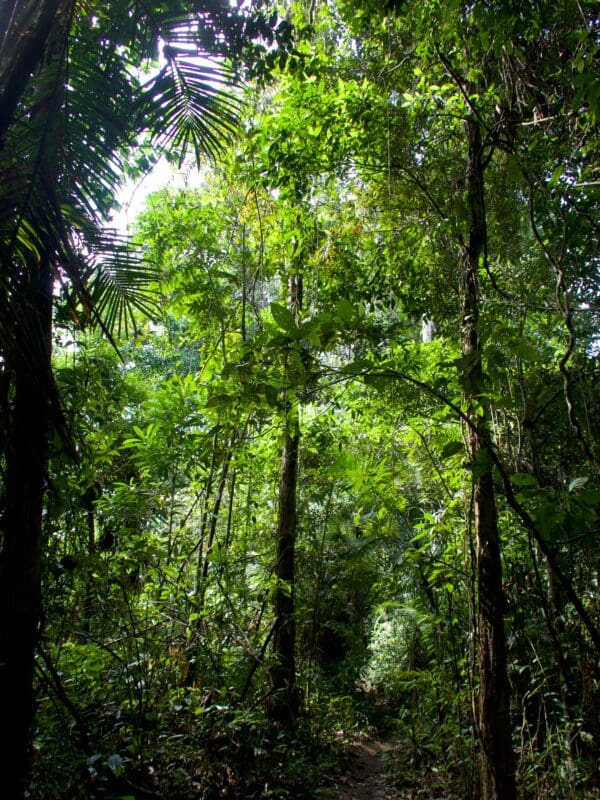
Not every tour includes the same activities, and not all activities are available year-round. Some depend on whether it is the wet or dry season.
Some lodges are relatively close to Puerto Maldonado, while others require several hours of river travel. That difference can significantly affect the experience. The first time I headed to the Amazon I thought I was going to take a plane and then a drive to the lodge. I was surprised that I needed a 2-hour boat ride through the rainforest before getting to the Amazon lodge.
Other Amazon packages starting in Iquitos will be set on river cruises. These are luxury-oriented accommodations that gently take you throughout the Amazon River. Everything is included; again, it’s not like you can just leave the boat and look for a restaurant in the middle of the jungle.
A lodge deeper inside the rainforest may require more travel time, but it can also provide greater separation from the city and easier access to more remote forest environments. This also means that you are more likely (never guaranteed) to see local fauna.
When comparing Amazon tours, look beyond the hotel category. Location, guide quality, group size and included activities can be just as important.
Wildlife is one of the main reasons travelers visit the Amazon, but it is important to have realistic expectations. This is one of the most common questions we get. “Will I see x at the Amazon?” Replace “x” with anaconda, tapir, jaguar, macaws, caiman, etc. Some are easy to spot and will see plenty of them depending on the season like capybaras while others are nearly impossible to spot like Jaguars. You can spend weeks and months in certain locations and never spot a Jaguar. I’ve been to the Amazon plenty of times and am yet to see one of those in the wild.
This is not a zoo or safari park. Animals move freely through enormous areas of rainforest, and sightings are never guaranteed.
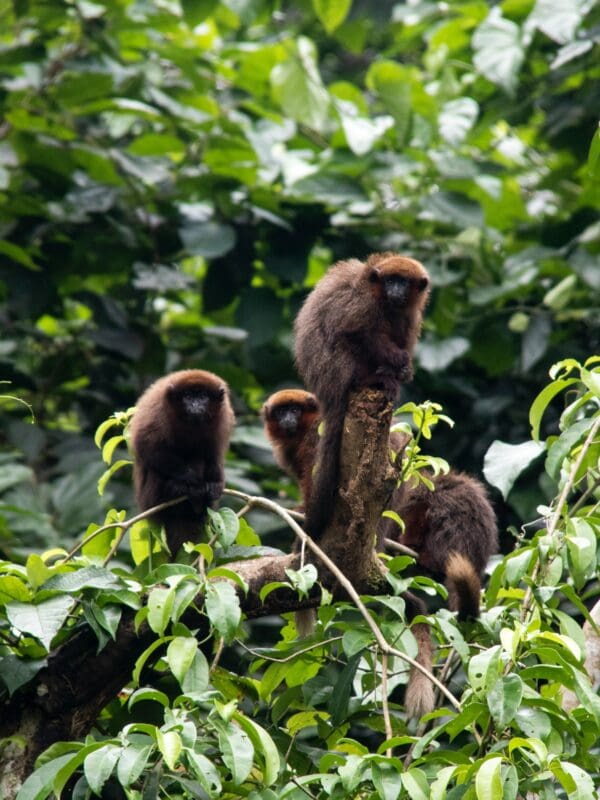
Depending on your destination and luck, you may encounter:
Tambopata’s Lake Sandoval, for example, is known for its population of giant river otters as well as monkeys, birds and other wildlife.
A knowledgeable naturalist guide can make an enormous difference. Experienced guides often recognize bird calls, tracks, movement in the canopy and other signs that most visitors would never notice on their own.
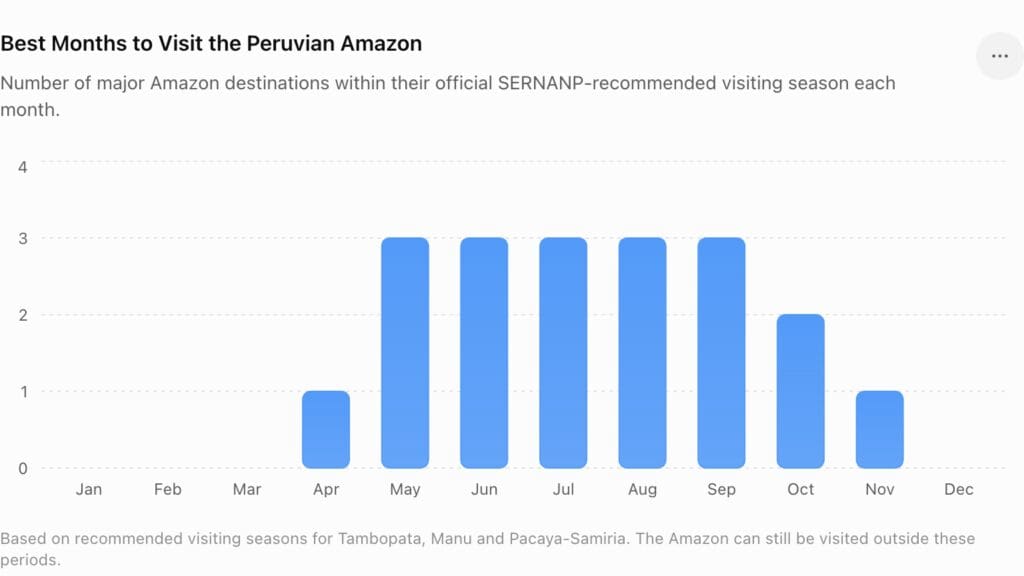
The Peruvian Amazon can be visited throughout the year, but rainfall and river levels change seasonally. There is no completely dry season in the Amazon, it is a tropical rainforest, and rain is possible at any time. Sometimes it rains all day while others you can have massive rain rall, then a completely sunny day and finally have massive rain once again.
If we want to get into specifics below is some information on they “dry” time of the year and the wetter months. Remember, Peru is a big country and the Amazon covers large portions, meaning that there are different dry periods depending on which Amazon location you are heading to.
Drier Months: Approximately May through October tends to be the drier period in much of southeastern Peru.SERNANP currently lists May through October as the recommended visitor season for Tambopata, while Manu’s recommended period runs approximately from April through November. Trails may be easier to walk during this period, and rainfall is generally less frequent.
Wetter Months: Rain tends to increase between approximately November and March or April, depending on the region. The forest becomes extremely lush, and higher river levels can make certain waterways easier to navigate.In northern Peru, conditions are somewhat different. Pacaya-Samiria’s official visitor information lists May through September as its recommended period, with the wetter season extending roughly from October through April. Neither season is automatically better.The best time depends on the area you are visiting and the activities that interest you.
Most first-time visitors should plan around three to five days. Three days provides a short introduction, while four or five days allows more time for wildlife excursions and a less rushed experience.
Puerto Maldonado is generally easier to combine with Cusco and Machu Picchu and is a good choice for lodge-based wildlife trips. Iquitos is better suited to travelers interested in Amazon River experiences, flooded forest and river cruises.
Yes. Travelers can combine Cusco with either Puerto Maldonado or Manu. Puerto Maldonado is generally easier for a short three- or four-day Amazon extension, while Manu requires more travel time.
The Amazon can be visited year-round. In Tambopata, May through October is generally the recommended visitor period, while rain is more frequent during the wetter months. Conditions vary between southern and northern Peru.
Yes. Combining Machu Picchu with Puerto Maldonado is one of the easiest ways to experience both the Andes and Amazon during the same Peru vacation. Around 10 days is workable, while 12 to 14 days allows a more relaxed itinerary.
Depending on the destination, travelers may encounter monkeys, macaws, parrots, toucans, caimans, giant river otters, capybaras, reptiles and many other species. Amazon river dolphins can also be seen in parts of the northern Amazon. Wildlife sightings are never guaranteed.