

Choose a Machu Picchu trip around the time you have, the places you want to visit and your preferred travel pace. Our packages range from short visits departing from Cusco to longer Peru itineraries combining Lima, the Sacred Valley and other destinations.
The first decision is how Machu Picchu fits into your trip. A same-day excursion can suit travelers with limited time, while an overnight stay in Aguas Calientes separates the train journey from the visit itself. Trekking itineraries require a different schedule and level of preparation.
Journey Machu Picchu helps coordinate the entry route, train journey, accommodation, transfers and guiding around your chosen itinerary. Browse the packages below, or tell us your dates and priorities so we can help you compare the options.
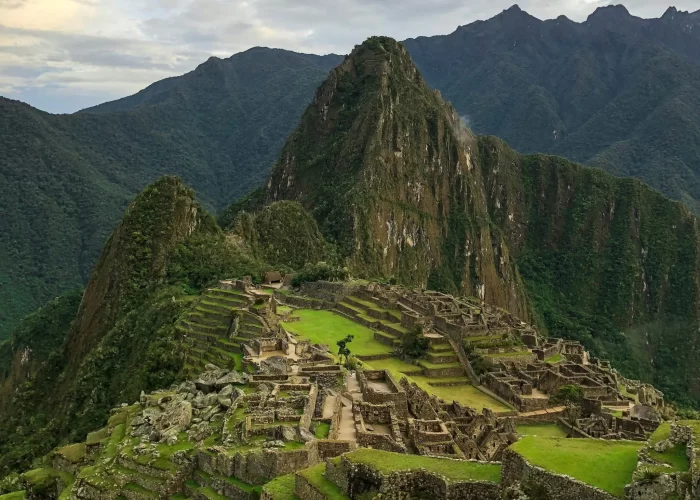
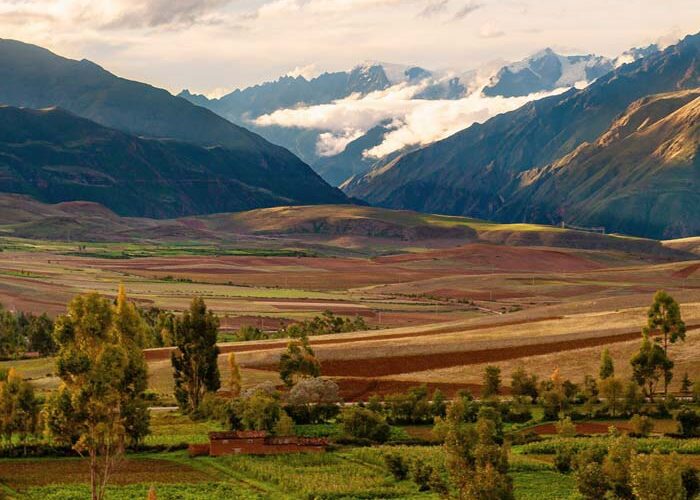
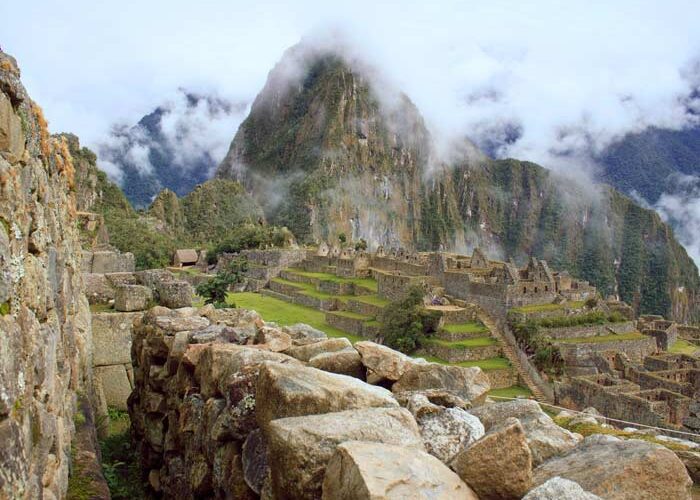
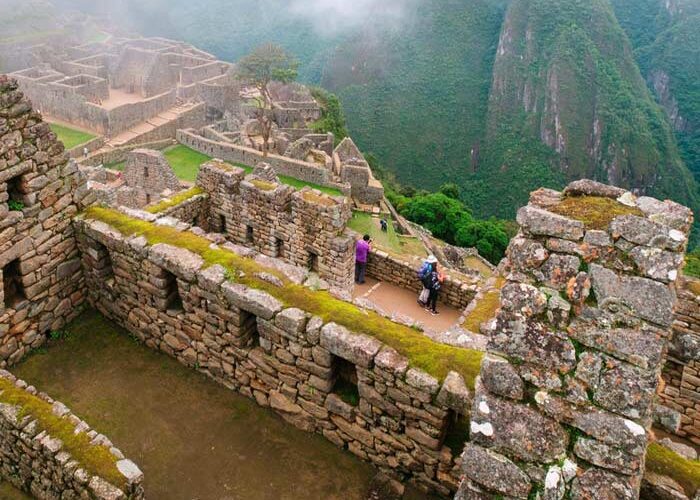
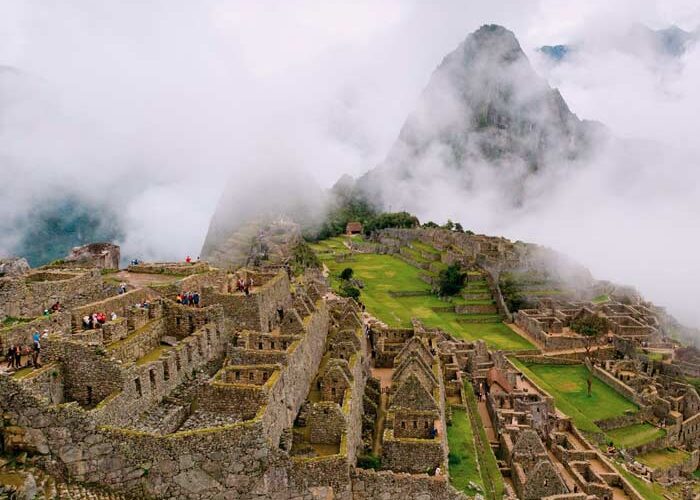
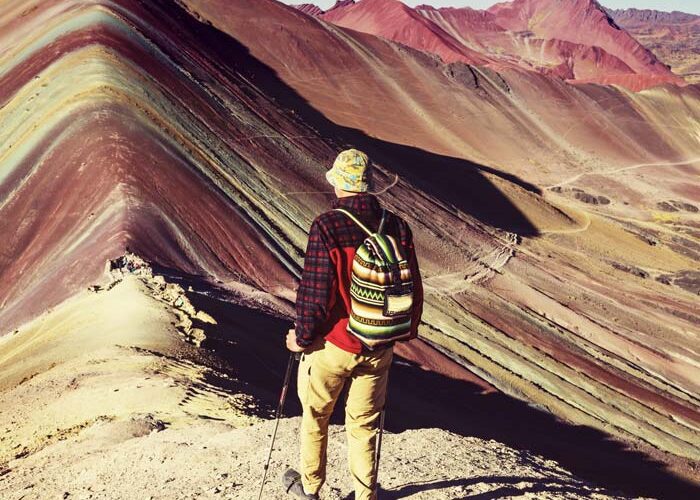
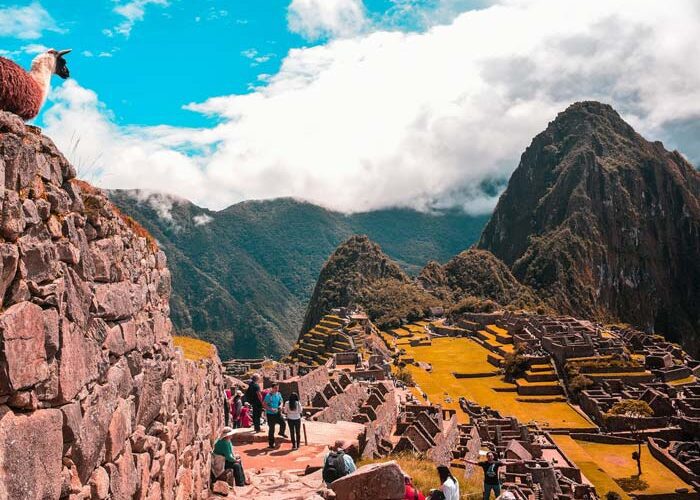
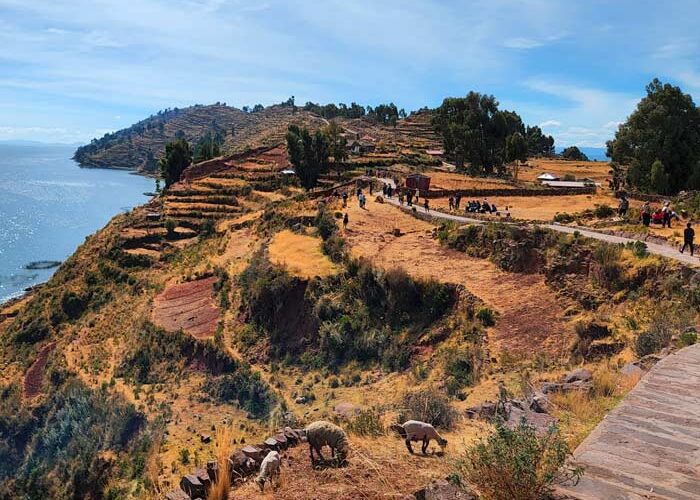
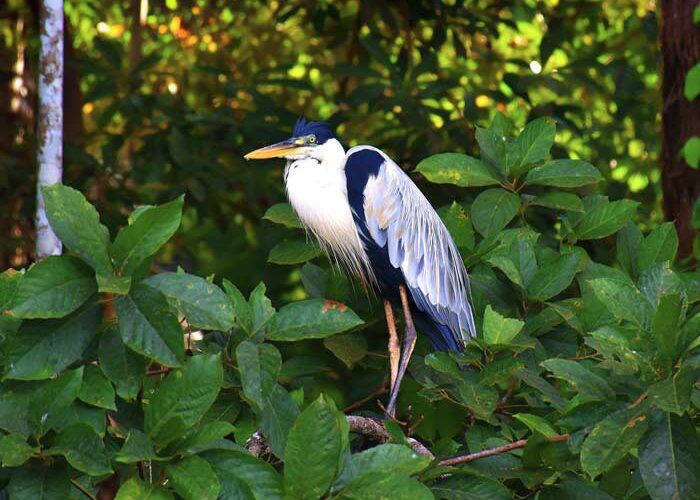
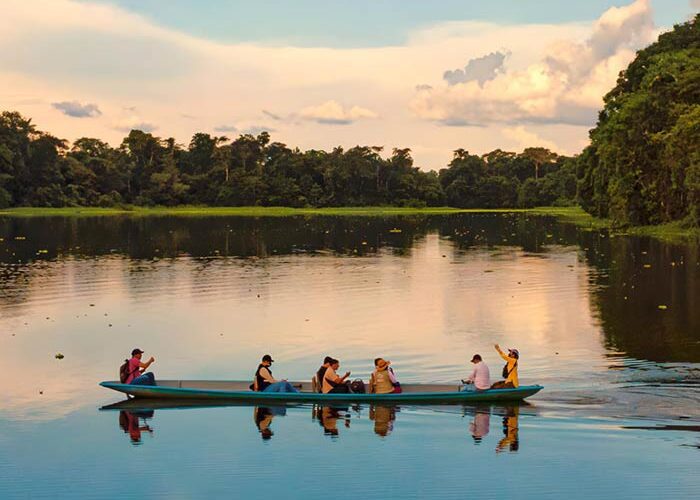
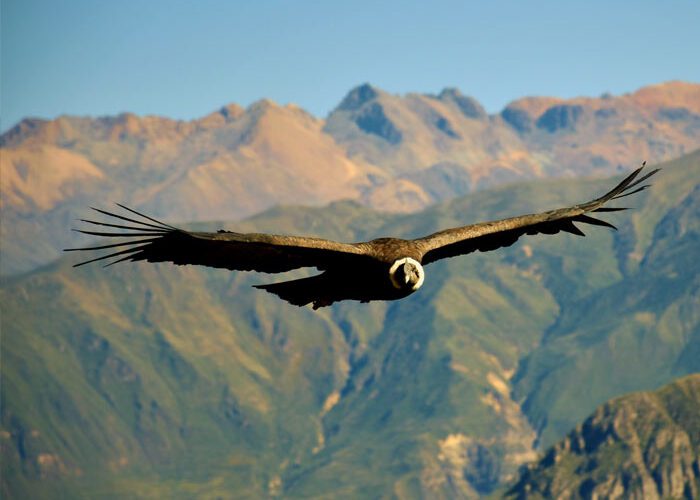

What you see depends on the route printed on your entrance ticket. Different routes provide different viewpoints and access to different parts of the archaeological site. The landmarks below introduce some of Machu Picchu’s most popular structures. They are not a list of guaranteed stops on every tour because there are different routes and circuits to explore. When comparing packages, check whether the booked route matches your priorities, such as panoramic photographs, exploring the archaeological sectors, or taking a mountain hike. A photograph of a particular landmark on this page does not mean that every ticket includes access to it.
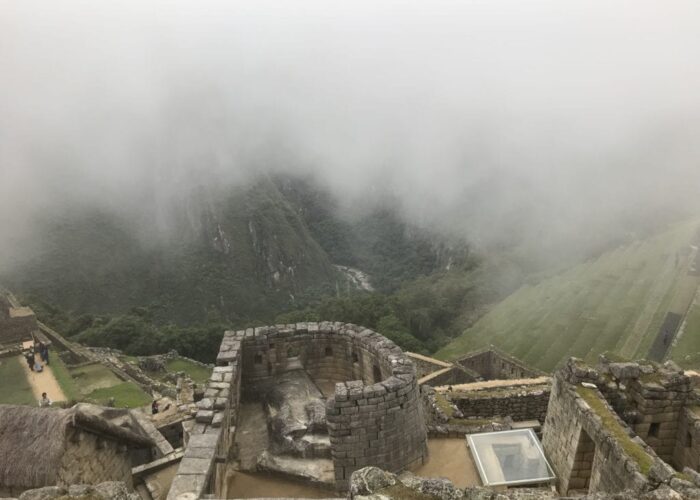
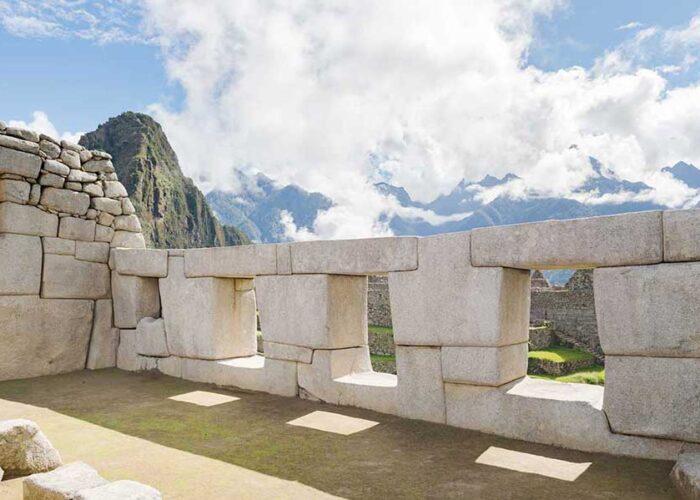
The Temple of the Three Windows is one of Machu Picchu’s most recognizable ceremonial structures. Its three large trapezoidal windows are built in the classic Inca style and face toward the mountains, creating a dramatic view of the surrounding landscape. Many guides explain that the windows may have held symbolic meaning connected to Inca cosmology, ancestry, or the sacred relationship between the city and the Andes. It is also one of the best places to appreciate the precision of Inca stonework.
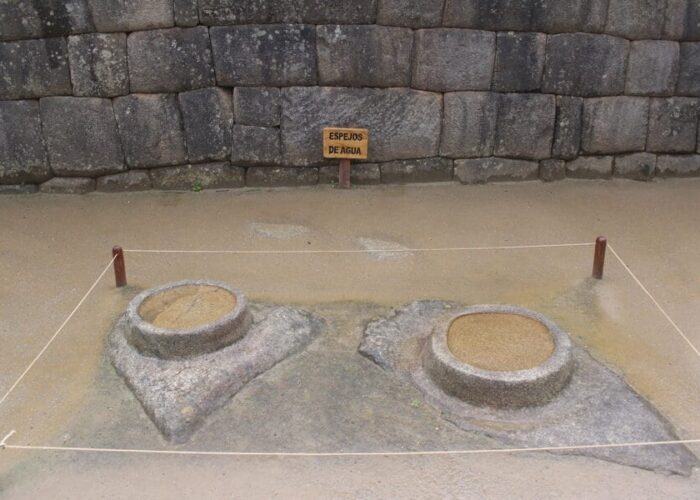
The Machu Picchu mirrors, often called the Water Mirrors or Temple of the Water Mirrors, are two round stone basins carved into the floor of the site. When filled with water, they may have reflected the sky, sun, moon, or stars, which suggests they could have had ceremonial or astronomical importance. While their exact purpose is still debated, they show how the Incas used simple architectural features to connect the natural world, the heavens, and sacred spaces inside Machu Picchu.
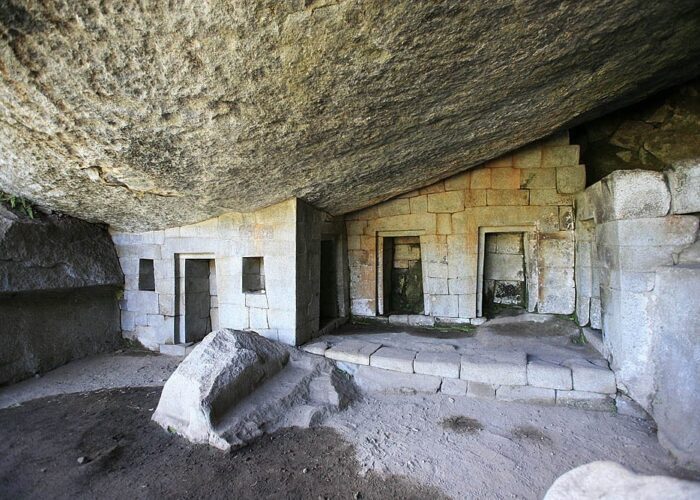
The Temple of the Moon is a ceremonial site located on the far side of Huayna Picchu, away from the main citadel of Machu Picchu. Built into a natural cave, it features carefully carved stonework, niches, and walls that blend with the surrounding rock. Because of its remote location and sacred design, many archaeologists and guides believe it may have been used for rituals or offerings. Access to the Temple of the Moon is associated with the Gran Caverna route, rather than being included automatically with every Huayna Picchu ticket. Check the specific route and its availability before making this a priority for your visit.
A Machu Picchu itinerary needs more than an entrance ticket. Your arrival in Cusco, overnight locations, train services, station transfers, and entry time all need to work together. We start with your dates, available days, and priorities. We then help you compare the practical choices: traveling from Cusco in one day or staying overnight in Aguas Calientes, combining the visit with the Sacred Valley, and choosing between a standard archaeological visit and an itinerary with additional hiking.
Your preferred route may not be available on every date. Where alternatives are needed, the important question is how they change the experience and not simply whether another entrance ticket is available. The aim is an itinerary you understand before traveling, with clear arrangements for accommodation, transport, guiding and the activities included in your package.
Before you book one of our Machu Picchu vacation packages, here’s what you need to know about visiting the site itself.
An entrance ticket is only one part of the cost. A train-based visit may also involve transport to the railway station, train tickets, the bus between Aguas Calientes and the entrance, guiding, and accommodation.
When comparing packages, check the exact entrance route, train service, hotel category, and whether guiding and transfers are private or shared. Also check which meals, flights, and optional activities are excluded.
Use the inclusions and exclusions on your chosen package page as the starting point. If a mountain hike or another specific experience matters to you, ask whether the required ticket is included in the quoted itinerary.
Machu Picchu tickets are sold for specific routes within three circuits. Your choice affects the viewpoints, archaeological sectors, and additional walks included in your visit.
Circuit 1 — Panoramic: Includes the Upper Terrace route and routes associated with Machu Picchu Mountain, Intipunku, and the Inka Bridge.
Circuit 2 — Machupicchu Classic: Contains routes 2-A and 2-B.
Circuit 3 — Machu Picchu Royalty: Includes the Designed Route and separate routes associated with Waynapicchu, Gran Caverna, and Huchuypicchu.
Some routes operate seasonally. Check the exact route code and official map before booking; tickets within the same circuit do not necessarily offer the same experience.
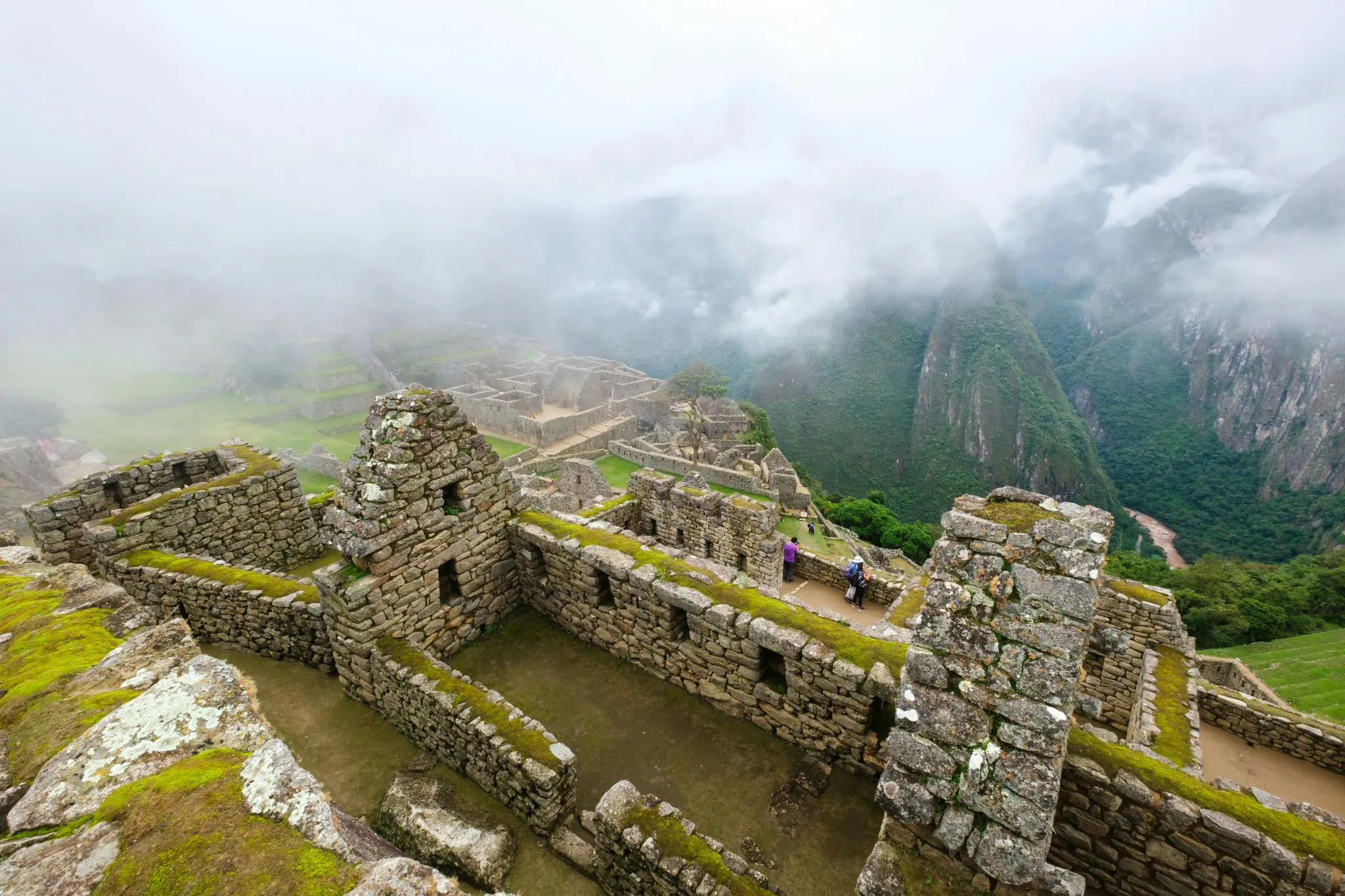
Machu Picchu is open daily from 6:00 AM to 5:30 PM, with entry organized into timed slots to manage visitor flow. Morning slots (especially the first entry at 6:00 AM) offer cooler temperatures, softer light for photos, and smaller crowds — which is why most of our Machu Picchu vacation packages schedule an early departure from Aguas Calientes.
There’s no road directly to the citadel. The standard route is: train from Cusco, Ollantaytambo, or the Sacred Valley to Aguas Calientes, followed by a 25-minute bus ride up the mountain (or a 1.5–2 hour hike for the more adventurous). Every one of our Machu Picchu tours and travel packages includes train tickets, bus transfers, and a licensed guide, so this is all handled for you.
Machu Picchu itself sits at 2,430 meters (7,970 ft) — noticeably lower than Cusco (3,400 m / 11,150 ft), which is where most travelers feel altitude effects. Many of our Machu Picchu package tours are structured to spend a day or two in the Sacred Valley first, which sits lower than Cusco, to help you acclimatize before heading up to the ruins.


You will need 1-2 days to properly tour the Machu Picchu complex. It is best to arrive at Aguas Calientes at a good pace, see the town and wake up the next day to tour the Inca city. This way you can hike any of the additional hikes like Huayna Picchu without feeling too rushed. You can do this in just 1 day but the day will feel very tiring and you might not enjoy the outing as much.
Over the course of the Machu Picchu tour, you will see the agricultural zone, the main square, the observatory, the fountains, the temple of the three windows the sacred rock, the astronomical observatory, the temple of the sun, the temple of the condor, the royal enclosures and several others. The tour includes some of the most amazing views anywhere in the world thanks to the surrounding landscapes.
Yes, tour guides are mandatory to enter the complex. This has been the rule ever since 2019.
Walking through Machu Picchu is not a big challenge, the complex presents an easy to moderate challenge. The additional hikes like Huayna Picchu are a little bit more of a challenge. The complex has a marked path so it is very difficult to get lost and there are handrails throughout the ruins.
The tour takes around 2 hours to complete but you can hike one of the additional peaks which will take another 2 hours to complete. So depending on what tickets you booked, you can spend 2-4 hours in Machu Picchu.
The best time to visit Machu Picchu is during the dry period which extends from April – September. If you don’t mind days that might be cloudy but with smaller crowds then you can visit from September – November or March. In the end, the best time to visit Machu Picchu can vary on personal preference.